

Why does Lebanon matter for the US-Iran ceasefire negotiations?
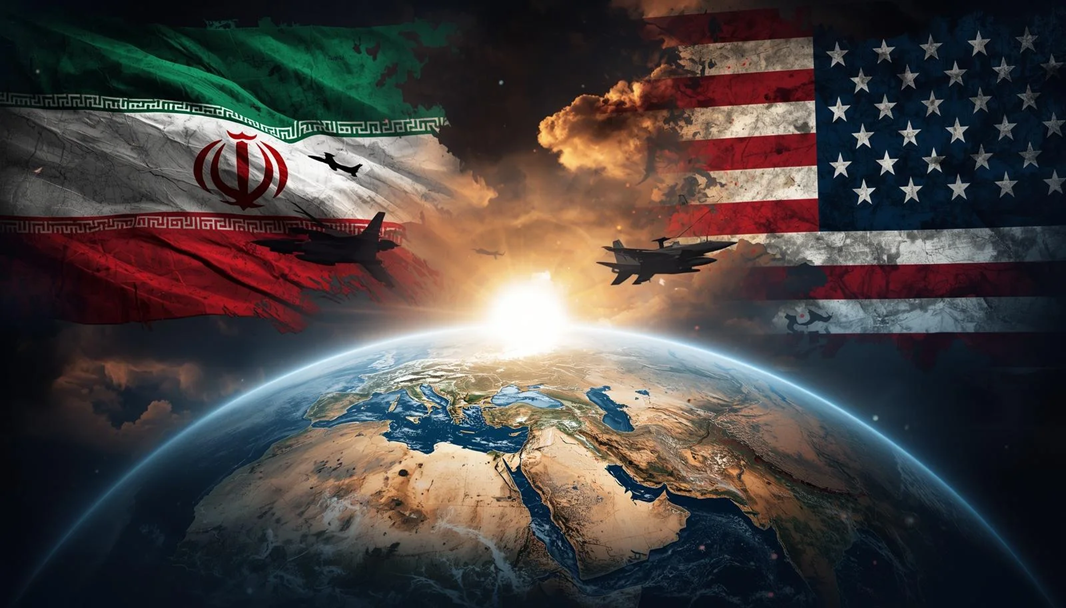
Lebanon has emerged as a critical factor in fragile ceasefire negotiations between the United States and Iran, as escalating Israeli attacks threaten to derail diplomatic efforts.
Israeli Prime Minister Benjamin Netanyahu said he has instructed his cabinet to begin ceasefire talks with Lebanon “as soon as possible,” despite ongoing military operations against Hezbollah. His remarks came a day after Israel launched its largest attacks yet on Lebanon, killing at least 300 people and injuring more than 1,100.
The strikes followed closely on the heels of a US-Iran ceasefire announcement earlier this week, raising concerns among analysts that the escalation in Lebanon could undermine upcoming negotiations set to take place in Pakistan.
Hezbollah, backed by Iran, has initiated cross-border attacks against Israel, thereby opening a new front in the broader US-Israel conflict with Iran. While Israel says its operations target militant positions, the violence has resulted in heavy civilian casualties and the displacement of more than one million people in Lebanon.
Ceasefire Talks Uncertain
Although both Israel and Lebanon have signalled openness to dialogue, continued Israeli strikes have cast doubt on the sincerity of ceasefire efforts. Lebanon has made clear it will not enter negotiations while under active bombardment.
Israel, meanwhile, has reiterated that disarming Hezbollah remains a top priority. Military officials have also warned that operations will continue if necessary, even as diplomatic channels are explored.
Reports suggest that Donald Trump has pressured Israel to scale back its attacks in order to protect broader negotiations with Iran. US Vice President JD Vance has also indicated that Israel has agreed to reduce the intensity of its operations.
Why Lebanon Matters
Lebanon’s situation is central to the success of US-Iran talks. Tehran has made it clear that any lasting agreement must include a halt to attacks not only on Iran but also on its regional allies, including Hezbollah.
Israel’s continued bombardment of Lebanon is therefore seen as crossing Iran’s “red lines” and risks collapsing the already fragile ceasefire. Iranian officials have condemned the attacks as a serious violation and warned of possible strong retaliation.
Analysts say Iran is likely to insist on including Lebanon in any agreement during upcoming negotiations. Failure to do so could weaken Tehran’s position among its allies and further destabilize the region.
Confusion Over Ceasefire Scope
Uncertainty remains over whether Lebanon is officially part of the US-Iran ceasefire deal. While Iran and Pakistan indicated that the truce covered all fronts, including Lebanon, the United States has denied this.
President Trump said Lebanon was never included in the agreement, a position echoed by the White House and Vice President Vance, who described the issue as a “misunderstanding.”
Despite assurances that Israel would reduce attacks, military operations have continued, albeit at a lower intensity. Analysts say the lack of clarity over the agreement highlights deeper divisions and the absence of key regional actors from the negotiating table.
With talks set to begin in Pakistan, the situation in Lebanon remains a key test for whether diplomacy can hold — or whether renewed escalation will derail efforts to end the broader conflict.