How Xi-Trump summit failed to yield Iran war breakthrough
By Newslab Admin
Updated
21 views
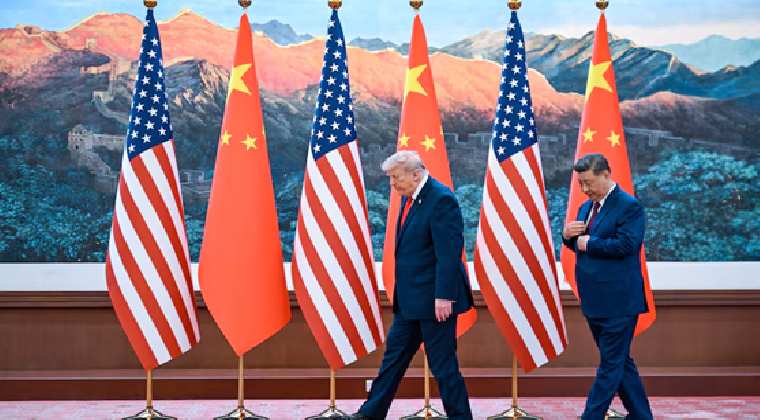
A high-profile summit between United States President Donald Trump and Chinese President Xi Jinping concluded in Beijing without any major breakthrough on ending the ongoing Iran war, despite weeks of diplomatic pressure from Washington on Beijing to play a larger role in the crisis.
Trump departed Beijing on Friday after more than 40 hours of meetings with Xi, but official statements from both sides revealed significant differences over the conflict, which has now entered its 77th day.
The war began on February 28 after the US and Israel launched strikes on Iran during negotiations over Tehran’s nuclear programme. Iran retaliated with missile and drone attacks targeting Israel and US military assets across the Gulf region, including bases in Bahrain, Kuwait, Saudi Arabia, Qatar and the United Arab Emirates.
China Calls for Ceasefire and Dialogue
During the summit, China reiterated its opposition to the conflict and called for an immediate ceasefire.
In a statement issued by China’s Foreign Ministry, Beijing said the war had caused “severe losses” for Iran and regional countries and stressed that dialogue remained the only path forward.
China also backed ongoing ceasefire efforts reportedly being mediated by Pakistan and referred to Xi’s four-point peace framework focused on peaceful coexistence, political solutions, shared security and economic cooperation.
More than 3,000 Iranians have reportedly been killed since the war began.
Dispute Over the Strait of Hormuz
One of the central issues during the summit was the Strait of Hormuz, a strategic waterway through which nearly 20 percent of the world’s oil and liquefied natural gas supplies previously passed.
Since March, Iran has restricted shipping access through the strait, citing security concerns and ongoing military tensions. Tehran has also proposed charging transit fees for vessels using the route — an idea strongly opposed by Washington.
The White House stated that both leaders agreed the strait must remain open to ensure global energy flows. It also claimed Xi opposed the “militarisation” of the passage and any attempt to impose tolls.
However, China’s official statement did not mention Iranian tolls or militarisation directly, highlighting the gap between the two countries’ positions.
The disruption in Hormuz has intensified a growing global energy crisis, particularly affecting countries heavily dependent on Gulf oil exports, including China.
Different Approaches to Iran’s Nuclear Programme
The US maintained its longstanding position that Iran “can never have a nuclear weapon.”
China’s statement, however, avoided such direct language. Instead, Beijing called for negotiations that would “accommodate the concerns of all parties” and encourage political settlement through consultation.
Iran has consistently denied seeking nuclear weapons, although international concern remains over its uranium enrichment activities.
No Major Shift in Positions
Despite diplomatic engagement between the world’s two largest powers, the summit produced little sign of a coordinated strategy to end the conflict.
The US has repeatedly urged China to use its economic influence over Iran, particularly regarding the Strait of Hormuz. Senior American officials, including Treasury Secretary Scott Bessent and Secretary of State Marco Rubio, publicly called on Beijing to pressure Tehran.
China, however, appeared unwilling to move beyond its existing position advocating ceasefire and diplomacy.
The outcome of the summit suggests that while both Washington and Beijing recognise the global risks posed by the Iran conflict, they remain divided on how to resolve it.